Emotional horror is a profound reimagining of fear and human connection. Moving away from traditional horror’s reliance on external monsters or antagonists, as seen in films like Halloween (1978) with Michael Myers or Jaws (1975) with its monstrous shark, emotional horror shifts the focus inward, engaging with inner conflicts, unresolved traumas, and the ambiguities of human suffering. This transformation deepens the genre, giving it a political and empathetic dimension that draws viewers into shared vulnerability. Emotional horror’s true terror lies not in something to be defeated but in something to be endured and understood.
The Rejection of Binarism: Moving Beyond Good vs. Evil
Traditional horror thrives on binary oppositions—good versus evil, protagonist versus antagonist. Fear is often externalized, providing the audience with a clear villain to root against. Once the threat is vanquished, order is restored, and catharsis follows. While satisfying, this formula reduces fear and suffering to something that can be fought and eliminated.
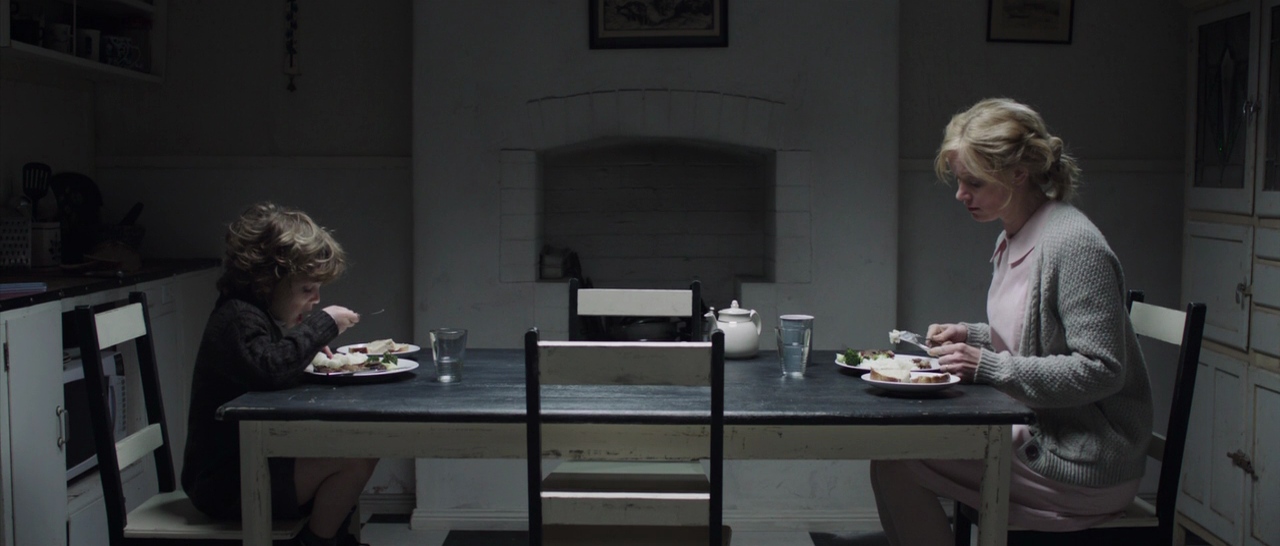
Emotional horror dismantles these binaries. Films like The Babadook (2014) and Hereditary (2018) shift the locus of fear inward, focusing on characters’ emotional and psychological deterioration. In The Babadook, the monster manifests the mother’s grief—something that cannot be killed but must be acknowledged and lived with. Similarly, Hereditary explores how generational trauma and guilt unravel a family from within, blending supernatural elements with emotional horror to create a narrative that refuses simple resolutions. In contrast, traditional horror films like A Nightmare on Elm Street (1984) and Friday the 13th (1980) rely heavily on clear antagonists—Freddy Krueger and Jason Voorhees—who embody external threats that can be confronted and defeated, reinforcing a simplistic good-versus-evil narrative.
This shift from external threats to internal struggles allows emotional horror to resonate more deeply. It acknowledges that fear, grief, and trauma are not forces to be conquered but lived with, demanding a more nuanced understanding of what it means to suffer. Emotional horror asks us to confront this discomfort rather than offering neat closures, challenging audiences to sit with unresolved emotions.
Abolishing the Antagonist: Horror Without a Monster
Emotional horror’s radical departure from traditional horror is perhaps most evident in its abolition of the clear antagonist. In most horror narratives, the villain or monster externalizes fear, giving the protagonist a tangible target for their struggle. Victory over the external force leads to resolution.
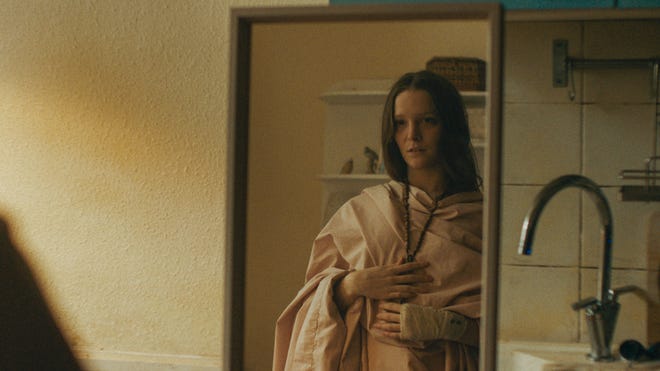
In emotional horror, however, the enemy is internal. Films like Melancholia (2011) and Saint Maud (2019) focus on the characters’ internal breakdowns rather than external threats. In Melancholia, the impending apocalypse mirrors the protagonist’s personal despair, making the story not about defeating a villain but about coming to terms with an inescapable internal collapse. The lack of a monster to kill or a villain to defeat makes the horror much more unsettling and intimate.
This abolition of the traditional antagonist reflects the uncomfortable truth that many of life’s greatest struggles are internal. Depression, trauma, and existential dread are not enemies that can be vanquished. Emotional horror forces us to sit with that reality, making the experience more compelling and relatable. The absence of an external villain heightens the emotional stakes, allowing the audience to empathize more deeply with the characters' struggles.
The Political Implications of Rejecting Simplistic Conflict
The rejection of binary conflict in emotional horror is not just a narrative device—it carries significant political implications. Traditional horror’s externalization of fear often mirrors societal tendencies to project anxieties onto an "other," locating the source of discomfort in an external villain or scapegoat. This dynamic reinforces us-versus-them thinking, encouraging viewers to simplify complex social and personal issues into easily digestible conflicts.
Emotional horror refuses this externalization. In films like Midsommar (2019), horror stems from the breakdown of personal relationships, communal isolation, and emotional unraveling. There is no singular antagonist to blame; instead, the film compels viewers to sit with the protagonist’s grief and alienation, reflecting the complexity of human emotions and social dynamics. Fear is no longer something projected onto an external "other" but something deeply embedded within relationships and systems.
This rejection of clear-cut villains pushes the audience to reconsider the root causes of fear and suffering. In a world where political polarization and simplistic narratives dominate, emotional horror challenges viewers to engage with the complexities of human experience, fostering a deeper sense of empathy and self-reflection. For example, the way Midsommar portrays communal breakdown can be seen as a reflection of the growing sense of isolation and disconnection in modern society, exacerbated by political divides and a lack of meaningful community support. Similarly, the internal struggles in Saint Maud can be interpreted as a critique of how mental health issues are often ignored or misunderstood in contemporary healthcare systems, highlighting the need for a more empathetic and nuanced approach to addressing such challenges.
Building Empathy and Solidarity Through Shared Vulnerability
Where traditional horror creates division by externalizing fear onto a monster, emotional horror builds empathy and solidarity by turning fear inward. By centering on characters’ emotional and psychological breakdowns, emotional horror invites viewers to share in the characters’ vulnerabilities rather than rooting for the defeat of an external villain.
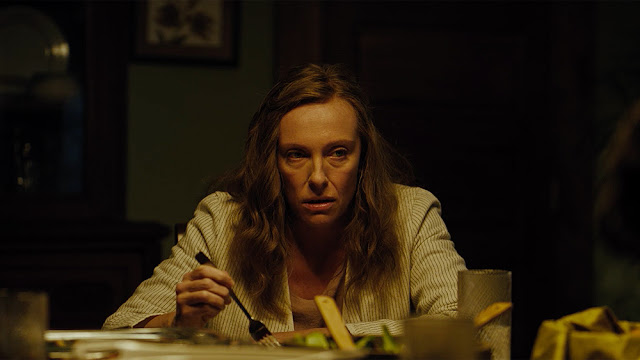
In Hereditary, for example, the horror comes not from a supernatural antagonist but from the family’s inability to confront their own trauma and guilt. One particularly impactful scene is when Annie, played by Toni Collette, confronts her son Peter during a family dinner, unleashing years of repressed resentment and grief. The raw, emotional intensity of this scene forces the audience to sit with the characters’ unraveling, experiencing their pain and emotional disintegration. Without a clear villain to defeat, the film draws viewers deeper into the emotional core of the story, deepening empathy for the characters’ suffering.
This shared vulnerability creates a powerful sense of connection. Emotional horror reminds us that fear, grief, and trauma are universal experiences—conditions that unite rather than divide us. By abolishing the external antagonist, emotional horror invites us to see fear not as something alien and external but as a shared human experience.
Emotional Horror as a Path to Solidarity
In rejecting binary conflict and abolishing the antagonist, emotional horror offers a new model for understanding fear and its role in human connection. Traditional horror often externalizes fear, presenting it as something that can be projected onto a monster or villain. Emotional horror, however, internalizes fear, asking us to confront the unresolved traumas and emotional complexities that shape our lives.
This shift has profound implications for how we think about fear, trauma, and empathy. Emotional horror’s focus on internal conflict fosters a sense of shared vulnerability, reminding us that the emotional wounds we carry are not isolated experiences but are, in fact, what connect us. In a world increasingly divided by fear and polarization, emotional horror offers a counter-narrative—one that encourages empathy, reflection, and human solidarity.
Instead of providing simple resolutions or cathartic victories, emotional horror encourages us to sit with our fears, encouraging empathy and introspection. It contributes to broader cultural shifts by encouraging us to embrace our shared human vulnerabilities, breaking down barriers between individuals and promoting a sense of solidarity. It invites audiences to deeply engage with characters' internal struggles, strengthening empathy and understanding.
In a time of increasing division, emotional horror serves as a powerful reminder that our emotional wounds are what connect us, offering a path toward greater empathy, compassion, and unity.