
Everywhere you look, people are proving how sorry they arethrough self-condemnation. The phrases sound humble: “I’m the worst,” “I ruin everything,” “Idon’t deserve you.”
On the surface, it looks like taking responsibility. The script is so familiar we stop noticingthe structure: remorse becomes spectacle. What looks like humility at first winds up becoming a diversion. The wound isn’taddressed, the problem isn’t solved, the policy doesn’t change. The spotlight shifts back to the offender’sperformance, and the person harmed is forced to the margins.
We cling to this ritual because of lived experiences thatdrill it into us.
- Families demand “say you’re sorry” but never teach how to makeamends.
- Schools punish mistakes but don’t model reconciliation.
- Workplaces reward self-flagellation but rarely redistribute workload or power.
- Religions historically elevate penance, making it seem inherently virtuous.
- Politicsthrives on televised contrition.
Remorse is legible, gradeable, and easy to certify.
Growth is messy, slow, andharder to measure.
Institutions choose the former as often aspossible, and the costs are everywhere.
- In intimacy, partners stop naming hurts because everyconversation detours into a shame spiral. Trust erodes not from the mistake, but from the impossibility of repair.
- Inworkplaces, accountability means another “learning statement” while inequities persist. Burnout deepens.
- In movements, we cannibalize each other with callouts and public groveling; energy drains intoproving sincerity instead of building durability.
- In politics, leaders bow their heads while budgetsand structures stay intact. The spectacle displaces the change.
This leads us to a contradiction of modern life:systems demand remorse but rarely enable repair. This contradiction reveals possibility. People don’t perform remorsebecause they’re insincere; they do it because there are no shared tools for what comes after. The vacuum itself isproof of demand. If apology theater is the only practice available, then cultures are primed for something better: accountabilitymeasured not by how sorry someone sounds, but by what actually shifts.
Imagine politics where sincerity was judged in reallocated budgets, not televised tears. Workplaces where accountabilityshowed up as rebalanced power, not HR scripts. Movements where repentance meant redistribution, not expulsion. Intimacy where trust was rebuilt by concrete next times, notby self-condemnation.
These aren’t utopian fantasies. They’re design choices. And every ounce of energy currentlywasted on remorse rituals could be redirected into repair.
The alternative is not stoicism or denial
The alternative is responsibility decoupled from self-attack, accountability freed from performance.
- To name the actwithout branding the self.
- To return the floor to the person harmed.
- To commit to practice as skill,not as penance.
The less we perform, the more trust can actually grow.
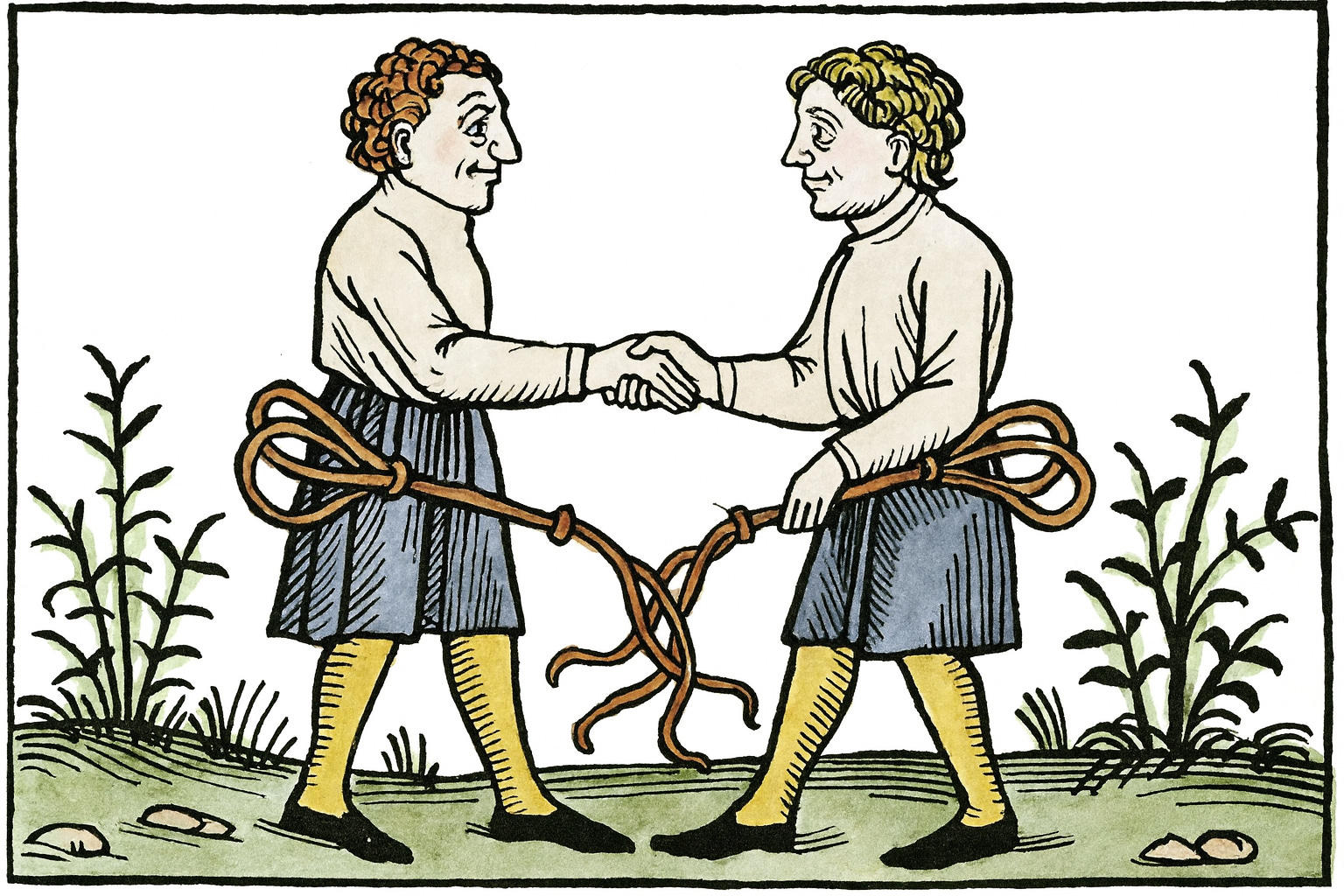
Proving how sorry you are is not accountability. It is theater.
To me, the real question is never how sorry youare, anyway. The real question is what changed because you were sorry.
Until we can answer that, we will keepmistaking apology for repair and theater for trust, and the culture will keep bleeding out its energy into spectacle instead ofchange.