You were trained to read like a browser tab: fast, extractive, always behind. But that was a contract you never signed.
Somewhere along the way, you learned that a “good reader” moves fast: skim, extract, move on. When your gaze drifts to an email ping or the thing you left to simmer on the stove, a quiet voice urges you back. That’s not personal failure; it’s infrastructure doing its job.
Right now, check in with your body. Are your shoulders hiking toward your ears? Is your jaw locked tight?
That tension once proved your diligence—teachers, bosses, colleagues applauded the taut posture of attention.
Now it only cuts off your air. So let it slide away.
![[Accept All] / [Reject All]](https://substackcdn.com/image/fetch/w_960,c_limit,f_auto,q_auto:good,fl_progressive:steep/https%3A%2F%2Fsubstack-post-media.s3.amazonaws.com%2Fpublic%2Fimages%2F32ef620f-2a9d-4817-8fb9-eeb5ec6de040_1024x860.png)
Roll a shoulder with purpose. Unclench your teeth. Prop your foot on a cushion. This is reclaiming the contours of your own space.
Halfway through any sentence, you may feel the knee-jerk thought: I’ve got this—next. That impulse comes from fear of slipping behind and of looking slow, and you can push back on it by lingering.
Read the line again. Savor its unfamiliar rhythm. Let a sliver of wonder settle across your mind. Your surroundings are riddled with unnoticed friction: the glare of fluorescent bulbs,
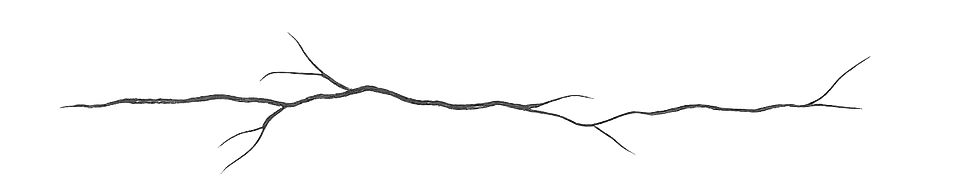
the jagged crack in your screen, or the stutter of an imperfect screen-reader.
Hey—those strains aren’t flaws in you. If you can, dim the light, enlarge the text, or switch devices.
If you can’t, at least name the effort your senses exert just to stay present—my eyes sting, my focus fragments.
Acknowledging that labor reminds you the struggle lives in the context around you.
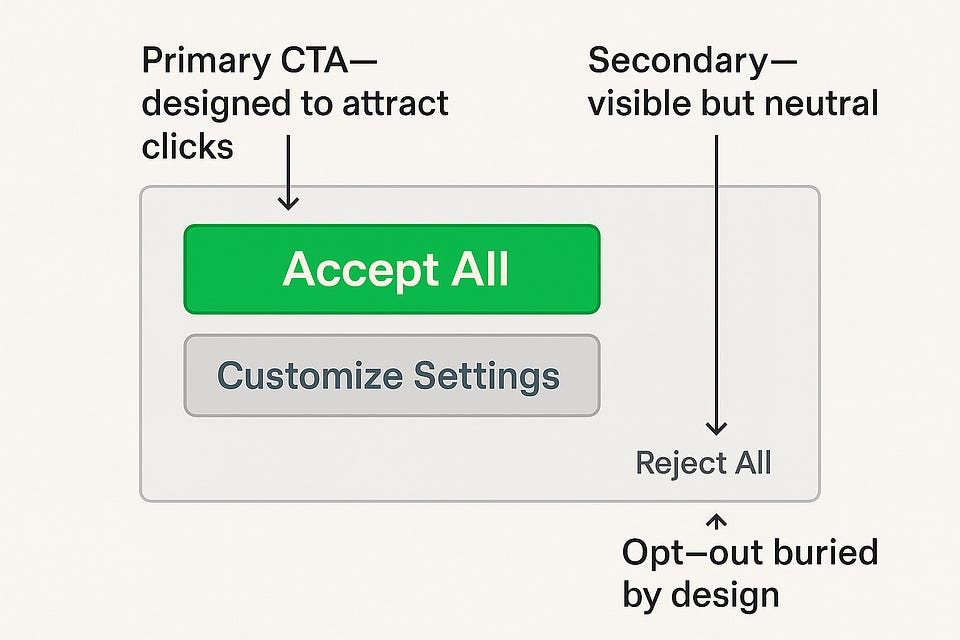
You’ve been conditioned to scan both page and interface with the same wary efficiency. The body’s vigilance becomes digital too: your thumb, trained to comply, hovers over every bright blue “Accept All.”
Borrow the breath you’ve practiced. Inhale before you tap.
Ask, “Who benefits from this default?”
Translate the prompt—“Accept all” becomes “surrender my data”—and then decide: tap, or don’t.
Approaching the end, you may itch for tidy takeaways—three neat lessons to stash away. Feel the itch. It comes from the same training: read fast, take what you can use, move on.
Or maybe, you think, if you’re lucky you’ll get a little infographic like this:
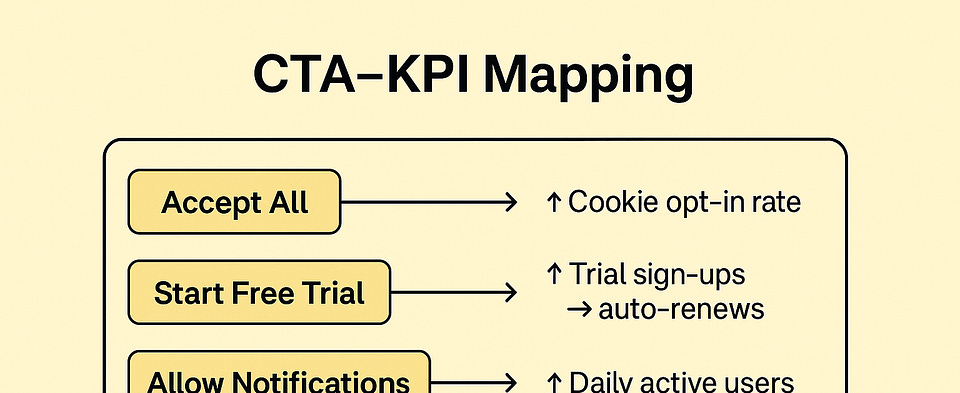
No! None of that
Instead, let the edges fray. Change happens in the unfinished pauses, the breaths you take without reaching a conclusion.
Soon you will step back into emails, meetings, obligations.
You might slide the old mask of efficiency back on—sometimes armor keeps the hail of demands at bay. That isn’t failure; it’s strategy.
The difference now is that you choose. The straps tighten at your command, a sliver of air always left open.
Kanav Jain
If you’d like more permission to pause, Surrender Your Data below.
Further Reading from Syādvāda
If this essay left you sitting with a slower breath and a sharper eye, here’s where to go next:
- If You Can’t Cancel Easily, You Never Agreed Why “opt-out” buried in fine print isn’t consent—and how to design for agency without coercion.
- “It’s Complicated” Is an Alibi for Harm Someone Chose A forensic guide to tracing harm back through every toggle, threshold, and default. Complexity is no alibi.