Before I fully unmasked as an autistic person, I felt trapped in a surreal and disorienting world. Films like I Saw the TV Glow and Beau Is Afraid, along with Octo Octa’s Between Two Selves, captured the emotional chaos of this period for me, highlighting the struggle with identity, trauma, and self-compassion that comes before unmasking. These works don’t just explore abstract themes; they reflect the lived experience of trying to survive while living behind a mask.
The confusion, the anxiety, and the overwhelming sense that something must break down before you can truly be yourself—these are the messy, often chaotic emotions I experienced long before I found the courage to let go of my constructed self.
Denying your true self is the most damaging act one can engage in because it leads to a disconnection from your authentic identity, mental health struggles, and the loss of personal fulfillment. While self-denial may begin as a response to societal pressures, internalized beliefs, or fear of rejection, its effects are profoundly damaging—impacting mental health, relationships, and the broader ability to contribute to a more equitable and authentic world.
This denial is both personal and systemic—marginalized identities are coerced into conformity, leading to masking and people-pleasing behaviors that erode personal fulfillment.
In today’s hyperreal world—where media, societal expectations, and cultural norms create exaggerated versions of reality—self-discovery is an explosive process. It requires breaking down deeply internalized constructs, challenging societal norms, and reclaiming authenticity.
However, this journey is not an individual act alone. It is a collective process that requires both personal transformation and the shifting of expectations by those who surround the individual.
Drawing from the theories of Michel Foucault on biopower and Jean Baudrillard on hyperreality, we can better understand the complexities of this work. Liberatory efforts challenge the internal identity struggles of marginalized individuals and the invisible power structures that maintain systems of control.
For much of my life, masking was my way of navigating the world. Like Owen in I Saw the TV Glow, who escapes into the fictional TV show The Pink Opaque, I used layers of socially acceptable behaviors to survive in environments that felt hostile to my neurodivergence. My identity became fragmented, split between the self I projected to others and the self I kept hidden. I created an image of who I thought people wanted me to be, all the while retreating into creative or intellectual escapes that allowed me to feel safe—even if only temporarily.
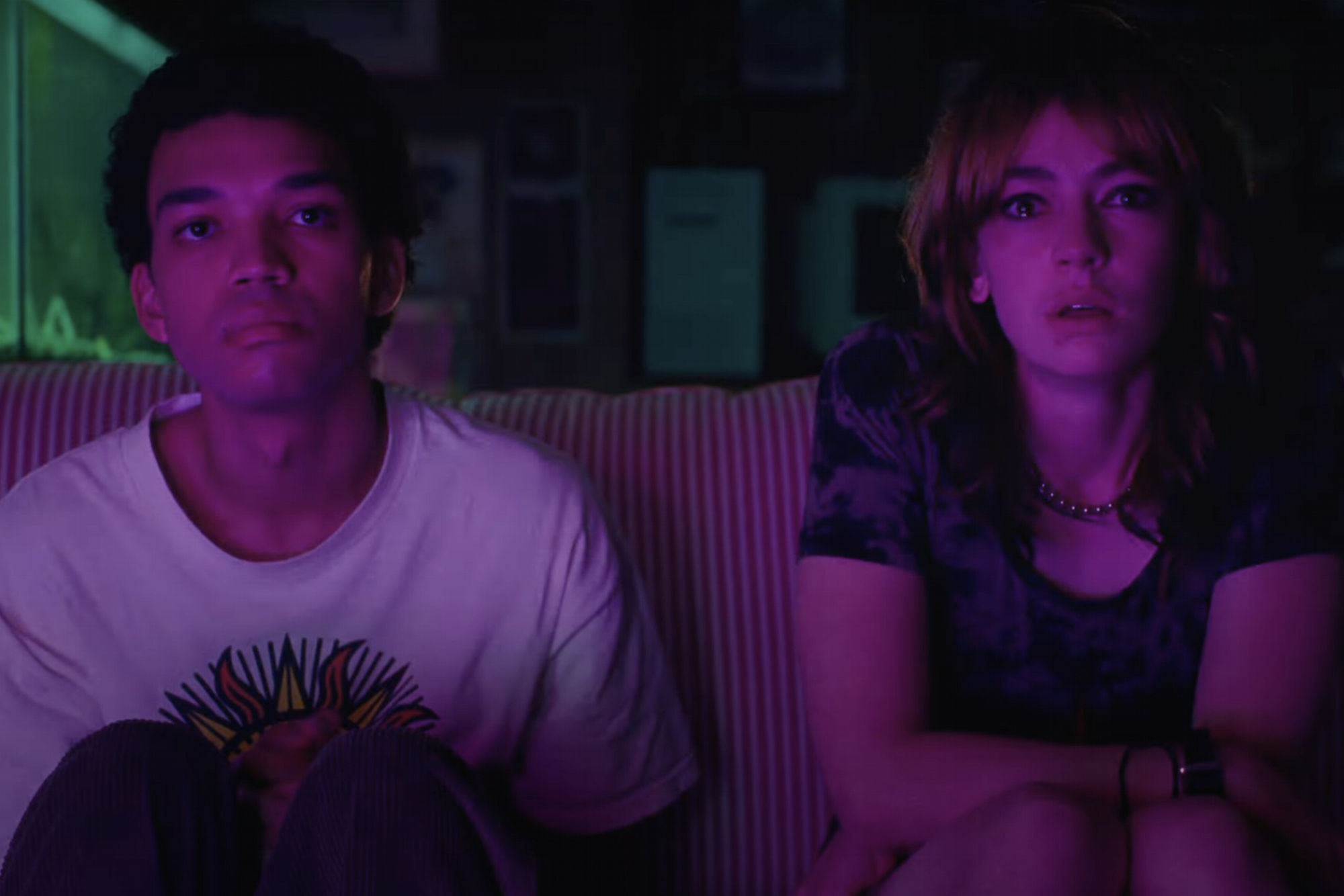
Owen’s retreat into The Pink Opaque mirrored my own use of intellectual and creative escapes. However, just as Owen learns that these forms of escapism are temporary, I realized that my masking could only last for so long before my authentic self began to push through. At some point, like Owen, I was forced to confront the uncomfortable reality that the versions of myself I had constructed to survive no longer served me, and these false selves began to break down under the strain of authenticity yearning to emerge.
For marginalized groups, conformity functions as a form of systemic violence, erasing difference and forcing individuals to live behind false identities to survive. The weight of this violence is most acutely felt by those whose identities—whether neurodivergent, LGBTQ+, or from communities of color—do not conform to societal expectations. Masking, often a survival mechanism, reflects the deep emotional toll of this violence. But as these defenses break down, whether through the disintegration of a false self or the exhaustion of people-pleasing behaviors, the violence of conformity reveals its true cost—disconnection from oneself and others.
In Beau Is Afraid, Beau’s surreal journey through bizarre, nightmarish landscapes mirrors the internal chaos I felt before unmasking. His overbearing, controlling mother shapes his entire existence, trapping him in a cycle of guilt and avoidance.
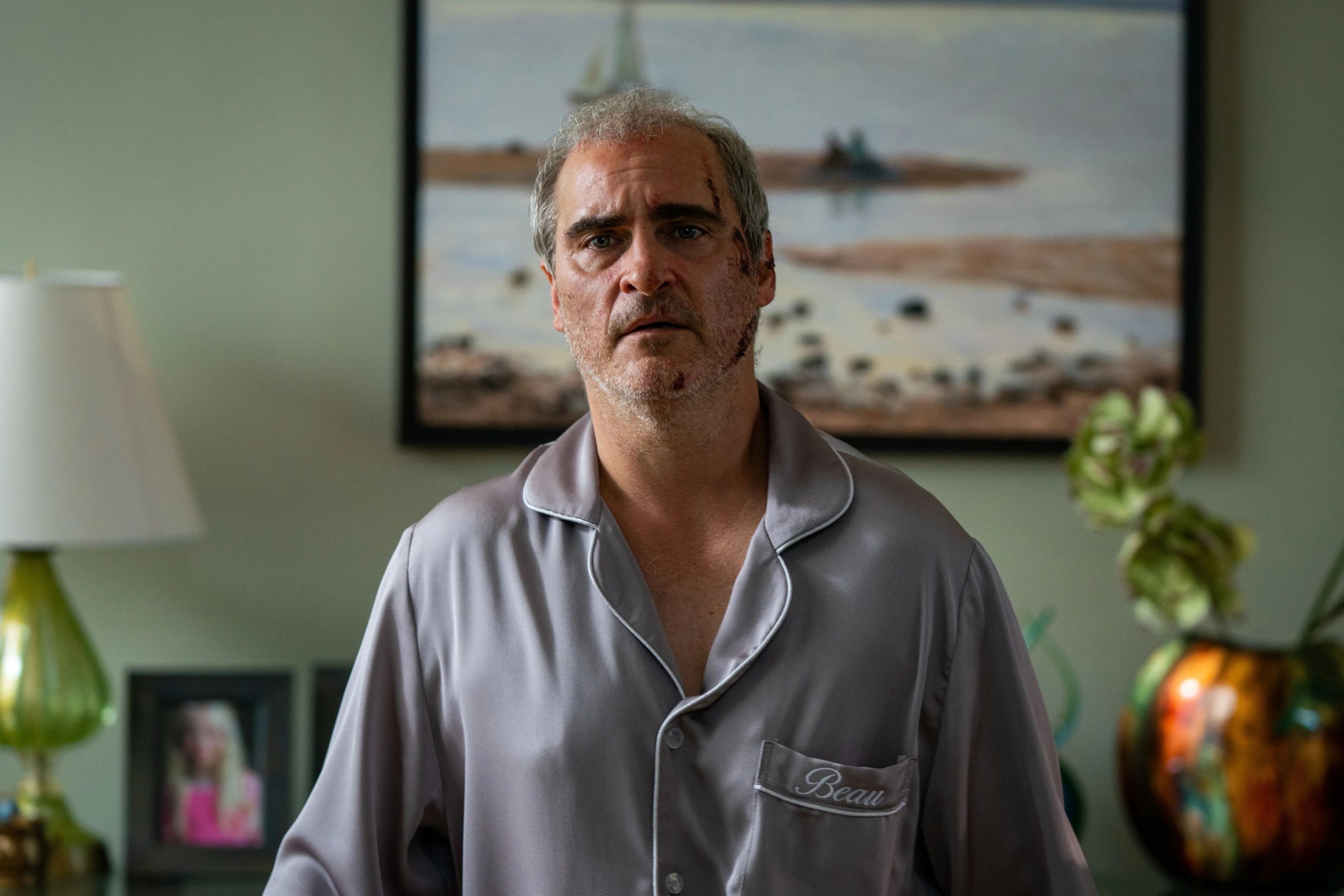
Watching Beau run from both real and imagined threats felt like seeing my own avoidance strategies play out on screen. I avoided the discomfort of fully embracing my autistic identity because I feared the consequences—rejection, misunderstanding, and losing the safety of the mask I’d so carefully constructed.
The Violent Process of Self-Compassion
Self-compassion is often portrayed as a gentle process, but in my experience, it was anything but. Unmasking felt like a kamikaze attack—a complete dismantling of the identity I had built to survive. It was disorienting, messy, and at times, deeply painful. Octo Octa’s Between Two Selves captures this chaotic tension beautifully. The album, created during a period when the artist was grappling with her transgender identity, reflects the same duality I experienced—living between two selves, one masked and one real.
Tracks like "Who Will I Become" and "Uneasy" mirrored my own internal struggle as I tried to reconcile the person I thought I had to be with the person I actually was. Just as Beau in Beau Is Afraid is haunted by grotesque versions of his fears and guilt, I was haunted by the fear that unmasking would destroy the few connections I had with others. The violent process of self-compassion required me to dismantle the defenses I had built up over years, leaving me vulnerable but ultimately more aligned with my true self.
For neurodivergent individuals, masking is a survival mechanism in a world that prioritizes neurotypical behaviors. Autistic individuals, in particular, often learn to suppress behaviors such as stimming, blunt communication, or sensitivity to sensory input in order to navigate neurotypical spaces. While masking may offer temporary relief from social ostracization, it is a deeply exhausting and depleting strategy. The constant effort to perform as neurotypical results in burnout, emotional fatigue, and an increase in mental health struggles such as anxiety and depression. Masking is more than a strategy for social success—it responds to systemic violence that punishes neurodivergent traits.
Similarly, people of color who engage in code-switching—adjusting speech, behavior, or appearance to align with the dominant culture—are forced to navigate a hyperreal version of themselves that conforms to white cultural norms. This act of survival requires constantly performing an identity that is not fully their own, and the internal tension between the true self and the hyperreal self can create psychological distress.
Denying your true self is the worst thing you can possibly do because it strips away autonomy, personal fulfillment, and the ability to live authentically. However, this denial is not a personal failure but a reflection of systemic violence that demands conformity. By recognizing the forces that drive self-denial—societal norms, internalized beliefs, and fear of rejection—we can begin to reclaim our authenticity.
Unmasking taught me that self-compassion isn’t about rejecting the masked self; it’s about integrating the parts of me that I had hidden for so long. Unmasking didn’t mean erasing the past or pretending the mask never existed. It meant learning to live with both, allowing myself the grace to be messy, incomplete, and constantly evolving.
We are reminded that the journey toward self-compassion often involves confronting our deepest fears and traumas. It is about tearing down the walls that prevent us from loving ourselves.
Whether in the surreal worlds of film or the deeply personal world of music, the violence of self-compassion is a necessary step toward liberation.