Mania is marked by intense energy, impulsivity, and mood swings, and psychiatry has long medicalized and pathologized it. It has traditionally been treated as a dangerous state that needs strict control through medication, hospitalization, and legal intervention. It has also been viewed as a threat to social norms.
The disability justice movement starts from a different premise: emotional diversity is not a defect to manage but a capacity to support. Depathologizing mania means understanding it as part of the range of human emotional experience rather than a condition to suppress. The history of how mania came to be pathologized shows what that pathologizing has been for: control and oppression.
The label grew up as a means of control
Turning mania into a medical condition helps society control behaviors and emotions that deviate from accepted norms. In medieval Europe, people showing signs of what we now call mania were confined to asylums or subjected to brutal, inhumane treatment. Bedlam Hospital in London, infamous for its cruelty to patients, shows how societies tried to control emotional intensity.
In the 19th century, as psychiatry became a formal discipline, its approach to mania stayed focused on control rather than care. Psychiatric interventions fell disproportionately on marginalized groups—women, people of color, and the poor—who were often institutionalized for emotional extremes. Women were frequently diagnosed with hysteria, which justified confining them and removing them from public life.
For Black people, pathologizing emotional expression served slavery and systemic racism. The 19th-century diagnosis of “drapetomania”—a pseudoscientific mental disorder that supposedly explained why enslaved Africans wanted to escape—turned an emotional response to oppression into a pathology. Psychiatry was used to rationalize the violent suppression of resistance to slavery.
As industrial capitalism rose in the late 19th and early 20th centuries, emotional extremes like mania came to be seen as threats to productivity. Psychiatric institutions flourished as a way to suppress emotional diversity in the name of economic stability. People who didn’t conform to capitalist norms of discipline and predictability were treated as liabilities.
What the diagnosis takes, and who it serves
A psychiatric diagnosis of mania reaches well beyond medical treatment. Involuntary commitment, conservatorships, and guardianships often strip people of their autonomy under the banner of public safety. People diagnosed with mania can be forcibly hospitalized, medicated, and placed under a guardian’s control. They then lose the ability to make decisions about their healthcare, finances, and personal lives.
These mechanisms have always fallen hardest on marginalized groups. The rise of eugenics in the early 20th century led to the forced sterilization of people deemed “mentally defective” or “insane,” including those with manic diagnoses. The eugenics movement justified taking away the reproductive rights of people with psychiatric conditions by framing them as threats to society’s genetic health. Between 1907 and 1937, over 30 states in the U.S. passed sterilization laws targeting people with mental health diagnoses, stripping their autonomy in service of oppressive power.
The stigma around mania also leads to workplace discrimination and social exclusion. Despite legal protections such as the Americans with Disabilities Act (ADA), people with manic diagnoses are often seen as unreliable or unstable. That keeps them from participating fully in society and reinforces the idea that emotional diversity is a liability rather than a strength.
Pathologizing mania benefits employers and institutions that depend on predictable behavior, because it keeps things stable and reinforces capitalist values of productivity and emotional control. Emotional extremes are labeled disruptions to the smooth functioning of society. Psychiatric institutions work to return people to a “normal” state that meets social expectations.
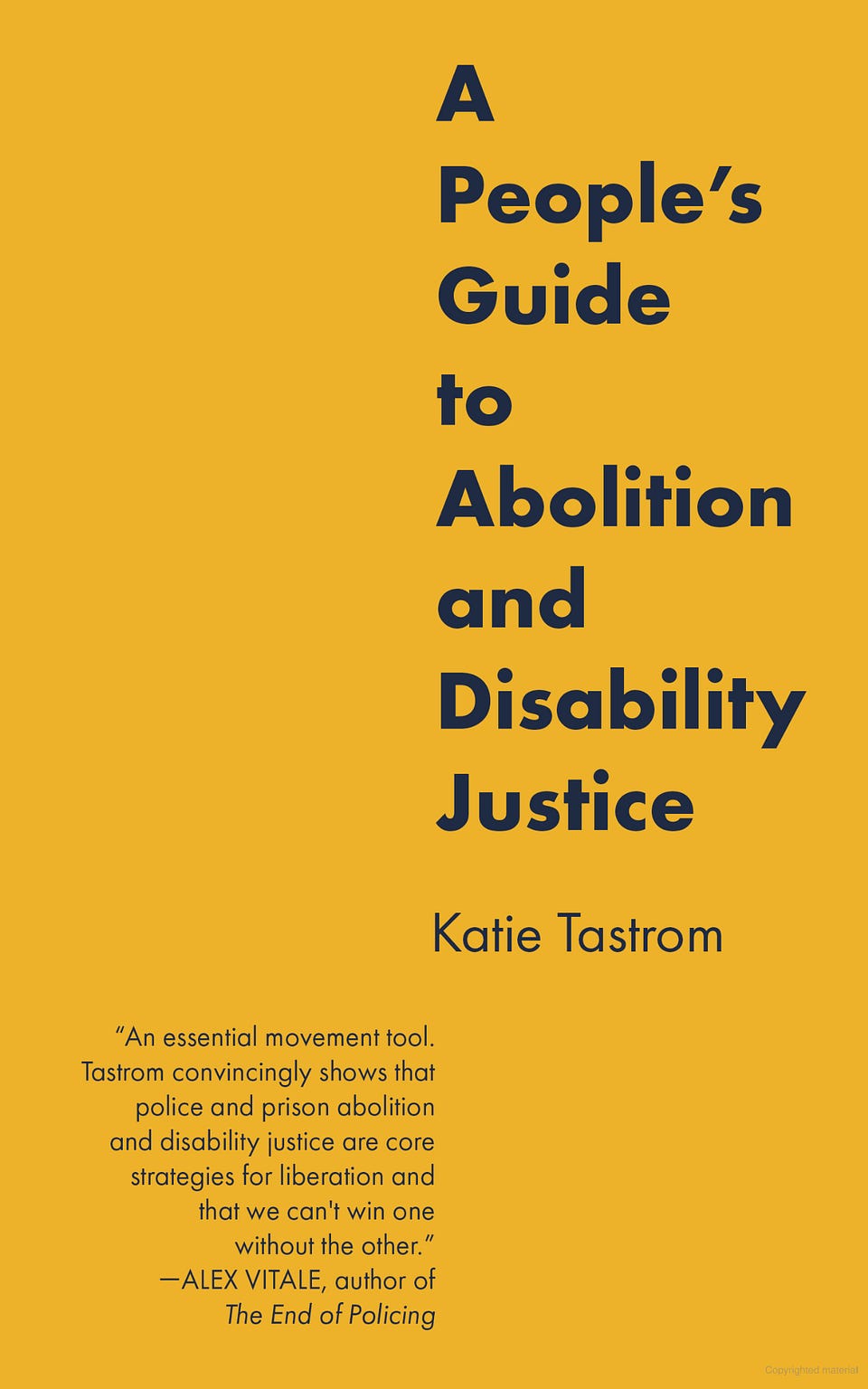
Katie Tastrom, in A People’s Guide to Abolition and Disability Justice, argues that psychiatric institutions function as extensions of carceral systems designed to manage emotional diversity rather than support people.
Where psychiatry meets the carceral state
The racialization of mania has worked through misreading. During the Civil Rights Movement, schizophrenia and other psychiatric diagnoses were weaponized against Black activists. Black men were disproportionately diagnosed with psychiatric disorders, their anger at systemic racism recast as paranoia or delusion.
That legacy continues. Black people are more likely than white people to be diagnosed with schizophrenia, and Black patients with bipolar disorder are more often misdiagnosed with schizophrenia. They’re also more likely to be criminalized for behavior during mental health crises, facing incarceration rather than care. Where racism, psychiatry, and the carceral state meet, psychiatric labels and criminal charges do the same job. Both authorize the state to override a person’s judgment about their own state, particularly in marginalized communities.
What control sounds like
That control reaches people one sentence at a time. When someone is in a manic episode, the arrangement that history and psychiatry built usually arrives as a handful of ordinary phrases. Those phrases do the pathologizing’s daily work. Labeling, threatening, and dismissing people in manic states drives them toward shame, self-isolation, and mistrust of both systems and people. The loop feeds itself. The more people in mania are treated as “out of control” or dangerous, the more they internalize those narratives, and the worse their emotional health gets. It often ends in dangerous self-destructive behavior. For the person hearing “calm down, or we’ll call someone,” the control that runs from Bedlam to the carceral state is in the room, because the someone is a psychiatric unit or the police.
The harm isn’t inevitable. Where dismissiveness, coercion, and shame now meet a manic episode, validation, non-coercive intervention, and practical support are real alternatives.
“You’re out of control!”—instantly creates shame
When a person in a manic state is told they’re “out of control,” they hear that their emotions are dangerous or unacceptable. That compounds their shame and makes them feel that their emotional state is a burden to others or that they themselves are the problem.
A better response: “I know this feels intense right now, but you’re safe.” Reassurance helps the person feel grounded and tells them they aren’t a danger. Safety and trust are what bring the intensity down.
Impact: The person may begin to relax, feeling they don’t need to suppress or hide their emotions, and that can lead to a calmer state.
“Calm down, or we’ll call someone”—escalates fear
This common threat implies that force will follow if the person doesn’t comply, whether hospitalization or the authorities. Threats like this feed fear, worsen the person’s distress, and strip them of autonomy.
A better approach: “What do you need right now to feel supported?” The question hands the person back some control over their situation and invites collaboration rather than compliance. It shows that their needs matter.
Impact: When people can say what they need, they feel some control, which can reduce panic and make cooperation easier.
“You’re acting crazy!”—dismisses their experience
Stigmatizing language like “crazy” dismisses the complexity of what the person is going through. It reduces their emotional state to chaos and invalidates their feelings, which alienates them further.
A better response: “Your feelings are real; let’s work through this together.” This validates their emotions and offers solidarity. It tells them they aren’t alone in this and that their emotions are not something to fear.
Impact: When the person feels seen and heard, they are more likely to trust you and open up about what’s happening.
“No one will understand you if you keep acting like this”—deepens isolation
This tells the person that their emotions are cutting them off from others and that they must suppress or hide them to connect. It deepens their loneliness and alienation.
A better approach: “I can see you’re going through a lot right now. Let’s take this one step at a time.” Acknowledging the intensity of their experience without rushing them through it gives them room to process their emotions.
Impact: This takes away the pressure to “fix” or suppress their emotions immediately and lets them work through what they’re feeling at their own pace. It builds trust and long-term engagement in recovery, instead of quick fixes that lead to more isolation.
Care without coercion already exists
For disability justice, depathologizing mania means rebuilding how mental health care is structured: non-coercive, community-based models that support autonomy, in place of the carceral approaches that now dominate mental health care. Those models include peer-led crisis support, whole-person therapies, and crisis respite centers.
The Soteria House movement offers a non-medical, community-based alternative for people experiencing acute psychosis. Its homes let people go through emotional extremes without forced hospitalization or medication. Peer-run respites belong to the same family: they match inpatient units on clinical outcomes at lower cost, and the people who use them rate them far higher. Whether they cut admissions outright is less settled—some studies find a reduction, others none—and their effect on police involvement has barely been studied at all. In Eugene, Oregon, the CAHOOTS program (Crisis Assistance Helping Out On The Streets) sent mental health workers instead of police to mental health crises and supported people without escalation. It ended service in Eugene in April 2025. Peer-led crisis response teams elsewhere have emerged as alternatives to police intervention during mental health crises, offering empathetic, non-coercive support.
The rethinking runs across the whole arc of an episode, not just its worst hour. Before a crisis, harm reduction gives people the means to recognize triggers and reach support early: emotional literacy, mindfulness training, access to peer networks like the Hearing Voices Network, where people share experiences and practical tools for getting through distress without being pathologized. During care, medical intervention must rest on consent and collaboration. Practices like Open Dialogue in Finland involve the person in crisis, along with their family and close network, in every decision about their care. They’ve been associated with dramatically reduced hospitalization rates. After the episode, recovery-oriented systems carry the support forward—stable housing, community reintegration, long-term engagement—because mania is often part of a long-term condition and crisis intervention is only the first step. Programs like Pathways to Housing use a “Housing First” approach, providing stable housing before dealing with other needs, on the understanding that security and stability come before recovery.
If you’ve had a manic episode yourself or know someone who has, this is what care that respects autonomy looks like: validation over control, non-coercive intervention, and support that outlasts the immediate episode. The shift is possible. Peer-run respites, harm reduction, and collaborative medicine already model it. It’s a question of choosing them.
Depathologizing mania is not only a reform of psychiatric care. It means dismantling the systems of control built on the label and replacing them with voluntary, community-based care that gives people real authority over their own care decisions.