I used to believe my late-night scrolling was purely a personal failing: maybe I had “no willpower,” or my brain was “wired for dopamine hits.” That was the story pop neuroscience and digital minimalists alike had fed me.
Then I spent four years (2013–2017) as a product manager at Doximity, the so-called “LinkedIn for doctors.” On the surface, it’s nothing like a typical ad-driven social app: it’s built for busy physicians to network, get industry updates, and handle telehealth. I know many people there who are committed to improving healthcare.
But from the inside, I also saw how capturing and keeping user attention was central to Doximity’s design, just as it is for Facebook, TikTok, or any other engagement-driven platform. In our weekly growth reviews, the charts on the wall measured the same numbers tracked by Facebook and TikTok. If a professional network for doctors relies on “time on platform,” imagine how much more retention matters to massive consumer apps.
That experience made me rethink “dopamine addiction” as a scapegoat. Dopamine plays a part, but what keeps us hooked is the system built around it.
Even a Network for Doctors Sells Attention
Many assume a “LinkedIn for doctors” is immune to “addictive” loops. After all, it’s not built around cute videos or drama. But beneath the professional facade, Doximity’s revenue streams depend on sustained attention too:
| Revenue stream | How it depends on attention | User-facing effect |
|---|---|---|
| Pharmaceutical marketing and brand awareness | The more time doctors spend on-platform, the more likely they are to see targeted ads, sponsored education, and specialty-specific campaigns. | Professional information is intertwined with sponsor visibility. |
| Job listings and career tools | Hospitals and clinics only get value if physicians log in often enough to notice opportunities. | The platform is incentivized to pull users back regularly. |
| Enterprise solutions and telehealth | Hospitals buying tools (telehealth among them, since 2020) want proof of actual use, which means frequent logins and measurable activity. | Product adoption and session data become part of the sales story. |
| Sponsored content and medical education | Underwritten articles and CME modules gain value as more doctors read more pages for longer periods. | Even educational reading can become an impression-delivery system. |
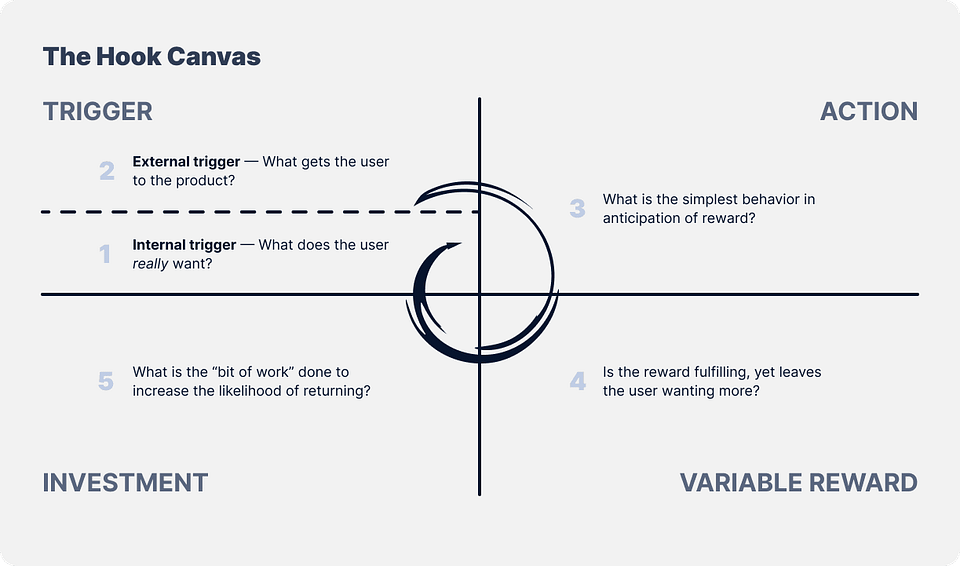
So yes, Doximity helps doctors, and it isn’t “addictive” in the sensational sense, but more user sessions still strengthen its business model.
Micro-Optimizations: Small Nudges that Matter
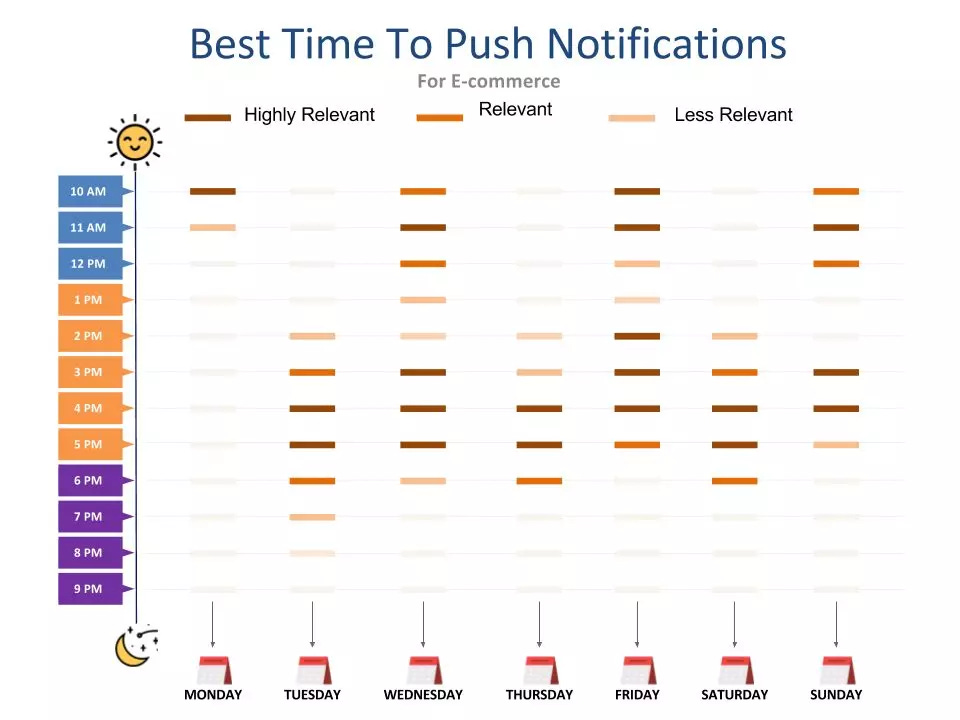
Doximity doesn’t rely on a feed of cat videos, but subtle design tweaks still boost retention:
| Tactic | How it works | Why it matters structurally |
|---|---|---|
| Notification timing | Alerts arrive when physicians are most likely to be interruptible or receptive, such as after a typical OR schedule. | Even tiny re-engagement lifts scale into thousands of additional sessions. |
| Content chaining | One article leads to “related” updates or CME modules that extend the session. | Educational value and retention logic become entangled. |
| Friction in logging out | Small UI choices around exit visibility influence whether users fully disconnect or remain passively logged in. | Retention is often shaped by tiny defaults rather than overt addiction mechanics. |
These optimizations aren’t necessarily evil; many doctors find them helpful. But they show how a revenue model that depends on user presence inevitably steers the platform toward small changes that increase “time on site.”
It’s Not All About “Dopamine”
We often say, “I’m addicted to my phone. My dopamine circuits are shot.” Sure, neurotransmitters matter in habit formation, but focusing solely on “dopamine hijacks” personalizes the blame:
| Claim | What it gets wrong | Structural takeaway |
|---|---|---|
| It individualizes the issue | If it is about your brain or your willpower, then the design budgets, optimization teams, and incentive structures disappear from view. | The problem is organized, not merely personal. |
| It lets platforms off the hook | Users get cast as weak while product teams experimenting on retention strategies are treated as neutral. | Blame shifts downward instead of upward. |
| It misses the structural logic | The core engine is a business model that turns user minutes into revenue and therefore rewards indefinite presence. | Attention extraction is best understood economically, not just neurologically. |
As I discuss in Every Crisis Leaves Capitalism Stronger, capitalist systems excel at reframing structural dynamics as personal flaws. Meanwhile, Time Is a Commons examines how lacking offline resources drives more people into digital domains they can’t simply “log off” from.
“Time Well Spent”: The Convenient Rebrand
When the spotlight turned on “addictive” tech, many big platforms trotted out “time well spent” or “meaningful interactions.” The idea? Instead of chasing raw session hours, they’d track “quality” usage. But as we saw in Doximity’s example, the core logic rarely changes if the platform’s viability still depends on consistent, repeated engagement:
“Meaningful interactions” is just a new engagement metric. If user hours fall too far, advertisers or enterprise customers get nervous, and the platform adjusts to pull you back in. Even “beneficial usage,” like reading an in-depth medical piece or networking with peers, can be wrapped in sponsor messages or data collection that feed the same profit engine. The rebrand retires the criticism without retiring the extraction. An idea that flatters its audience for refusing to think will always outsell one that asks them to.
Industries under pressure do this regularly. They reframe the conversation to deflect demands for systemic change.
Think of the food industry’s “low-fat” marketing without tackling sugar-laden profits, or the fossil-fuel sector’s shift to “personal carbon footprints” to avoid corporate accountability. Now, social media does the same with “time well spent.”
Why ‘Log Off’ Alone Doesn’t Solve It
Some might say: “Just delete the app if it’s so manipulative.” But that’s naive, especially for:
- Professionals: Doctors needing job leads or telehealth clients can’t just ditch Doximity. Gig workers relying on rideshare or delivery apps can’t simply walk away from their income source.
- Communities: Activists, diaspora communities, and marginalized groups often rely on digital networks for support and organizing. If local offline resources are scant, “stepping away” can feel impossible.
- Systemic Constraints: Poor offline infrastructure (limited job security, expensive healthcare, underfunded community spaces) pushes more of our lives online.
Personal “detox” solutions fall short for the same reason. They might help you individually, but they don’t address the architecture that sees every second of user time as revenue potential.
Stop Blaming Dopamine and Question the System
“Dopamine addiction” is an oversimplification. Yes, our brains enjoy novelty, but entire teams are paid to harness that craving and keep us glued.
Multiply Doximity’s micro-optimizations across the social giants, and you get a sophisticated machine that claims to care about your well-being while profiting from each extra minute you stay.
So telling people “use more willpower” or “just log off” treats the symptoms and leaves the structure alone. If we want to move past guilt-ridden doomscrolling or moralizing about “dopamine hijacks,” we need policy-level approaches, alternative business models, and offline safety nets. With those in place, “logging off” isn’t a sacrifice of jobs or community.
Some policy fixes stop short of the structure too. In 2019 California’s governor asked his staff for a “Data Dividend” so consumers could “share in the wealth that is created from their data.”1 Paying people for their data treats the record as the asset. Shoshana Zuboff’s name for what platforms keep is “behavioral surplus”: the behavioral data left over once the service has been improved, which gets turned into predictions of what you’ll do next and sold to businesses that want to know.2 What’s for sale is your behavior, predicted and then nudged with tools like the notification timing and content chaining above. A dividend on the records leaves the nudging where it was.
The real questions go beyond whether your brain seeks dopamine: who profits when you can’t leave, why infinite feeds are standard, and how we can demand a digital ecosystem that puts user well-being ahead of indefinite engagement. Until we ask them, “time well spent” is a PR bandage.
Notes
Gavin Newsom, State of the State Address, Office of the Governor of California, February 12, 2019: “I’ve asked my team to develop a proposal for a new Data Dividend for Californians.” gov.ca.gov
Shoshana Zuboff, quoted by John Naughton in The Guardian, January 20, 2019: some of these data “are applied to service improvement,” and “the rest are declared as a proprietary behavioural surplus,” which is “fabricated into prediction products that anticipate what you will do now, soon, and later.” Benton Institute reprint; see also John Laidler, “High tech is watching you,” Harvard Gazette, March 4, 2019. Harvard Gazette