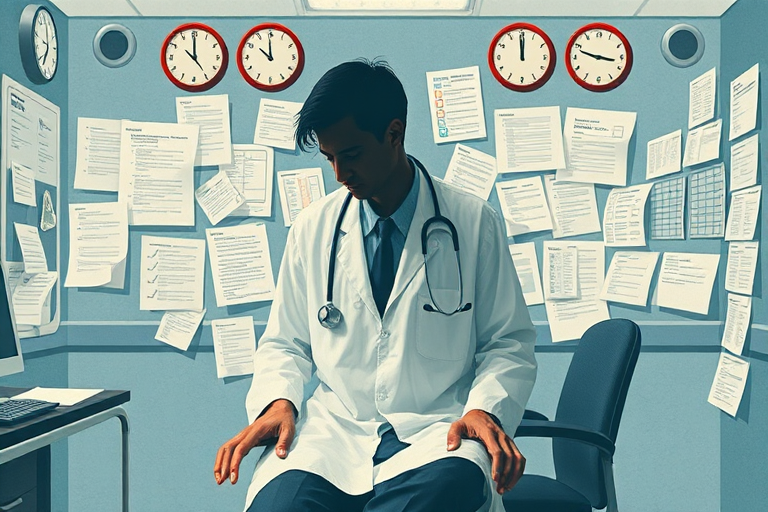
 I've always admired doctors. Their dedication, immense knowledge, and commitment to doing good in a world that often makes it incredibly difficult stand as pillars of inspiration. But when I reflect on what it truly means to be a doctor today—amid the pressures, bureaucracy, and moral compromises—I realize that I would make a horrible doctor. Not because I lack intelligence or compassion, but because the reality of modern medical practice is riddled with dissonances that would wear me down, break my spirit, and ultimately make me question everything I once believed about medicine.
The Ideal vs. The Reality
Most people enter medicine with noble intentions—to heal, to serve, and to make a tangible difference in the lives of others. However, as they progress through medical school, residency, and into full practice, they often encounter systemic realities that clash with these ideals. The dissonance between their desire to help and the constraints imposed by the modern healthcare system creates a gap that is difficult, if not impossible, to bridge.
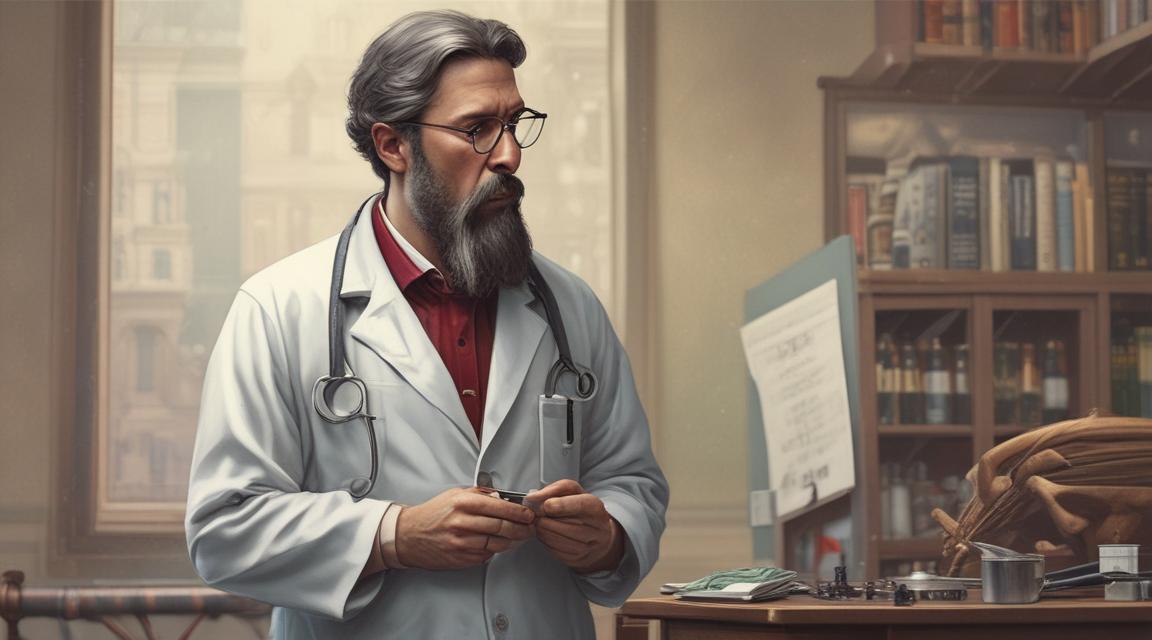
I would be a horrible doctor because I couldn't reconcile these contradictions. I would struggle to align my sense of purpose with a system that increasingly prioritizes profits, efficiency, and administrative convenience over patient care. The disconnect between the Hippocratic ideals of medicine and the harsh, profit-driven realities of modern practice would weigh heavily on me. I would feel like I was betraying my values every time I was forced to make a compromise that placed financial considerations or institutional policies above patient well-being.
The Productivity Trap
Modern healthcare has become a relentless pursuit of efficiency. Doctors are expected to see more patients in less time, with fewer resources at their disposal. The typical doctor's appointment has been reduced to a tightly scheduled, 15-minute window, where every moment is accounted for. This emphasis on productivity often reduces patients to data points, their stories and experiences flattened into quick consultations and checklists.
Fitting compassion into 15-minute slots would feel unbearable. I'd find it difficult, if not impossible, to rush from one patient to the next, knowing I couldn't offer the time or attention they truly deserve. The pressure to move quickly would leave me feeling disconnected from my patients, undermining the very reason I would have chosen to practice medicine.
This disconnection leads to burnout, which is rampant among doctors today. Burnout is the inevitable outcome of the relentless pace and the disconnect between the calling to heal and the system's demand for speed and efficiency. For someone like me, who values empathy and deep engagement, the productivity trap would turn the meaningful work of medicine into a grind, stripping away any sense of joy or fulfillment.
Thanks for reading Internality: No Externalities! Subscribe for free to receive new posts and support my work.
The Bureaucratic Nightmare
One of the most common complaints among doctors today is the overwhelming amount of bureaucratic work they must handle. What should be a profession centered around patient care is increasingly dominated by paperwork, electronic health records, insurance documentation, and billing codes. These administrative tasks take up an inordinate amount of time, leaving doctors with less time to focus on their patients.
I would be suffocated by the bureaucratic nightmare. Spending so much time filling out forms, navigating insurance policies, and complying with regulatory requirements would erode my passion for medicine. The time I would want to spend engaging with my patients would be swallowed by endless clicking through electronic systems and chasing down insurance approvals.
Bureaucracy would also make me feel powerless. Even when I knew what was best for my patients, I would find myself fighting with insurance companies, justifying my decisions to non-medical administrators, and dealing with the complexities of billing. In a system where the physician's expertise often takes a backseat to the dictates of insurers and administrators, I would feel alienated from my own role as a healer.
The Ethical Dissonance
Perhaps the most painful aspect of being a doctor in today's healthcare system is the ethical dissonance between what doctors know is right and what they are allowed to do. The pressure to discharge patients early, deny certain treatments due to insurance limitations, or make clinical decisions based on financial considerations rather than patient need creates a constant ethical strain.
I wouldn't be able to accept these ethical compromises. I couldn't sleep at night knowing that financial considerations dictated the care I provided. The idea that patient outcomes are often determined by economic realities rather than medical necessity would tear at my conscience. I would constantly feel the weight of knowing that I couldn't always do what was best for my patients, and this dissonance would eventually erode my sense of purpose.
This ethical tension is even more pronounced when dealing with vulnerable populations—those who face systemic barriers to care due to their socioeconomic status, race, or gender. As a doctor, I would want to advocate fiercely for these patients, but the system often places advocacy and medicine at odds. The helplessness I would feel in the face of these systemic injustices would contribute to a deep sense of alienation.
The Depersonalization of Care
Another source of alienation in modern medicine is the depersonalization of care. As healthcare becomes increasingly data-driven, patients are often reduced to numbers, metrics, and efficiency targets. This depersonalization is driven by the pressures of the healthcare industry, where financial performance is prioritized over the humanity of patients.
I couldn't accept the idea that patients should be treated as data points rather than people. I would want to build relationships, build trust, and be present in the healing process. But in a system that prioritizes throughput over thoroughness, this level of care becomes increasingly difficult to achieve. commodifying healthcare turns doctors into service providers and patients into consumers, undermining the very essence of the doctor-patient relationship.
This depersonalization affects doctors as well. Physicians, once seen as trusted healers, are now often viewed as interchangeable service providers within a marketplace. This shift in perception undermines the doctor's role as a compassionate caregiver and contributes to the alienation many physicians feel. I would struggle with this depersonalization, finding it difficult to reconcile my identity as a doctor with the commodified role the system expects me to play.
The Emotional Toll
In the end, the cumulative effect of these dissonances—between idealism and reality, between bureaucracy and care, between ethics and economics—would leave me emotionally drained. The emotional toll of constantly feeling like I wasn't doing enough, that I wasn't meeting my own standards or the needs of my patients, would break me.
I wouldn't be able to bear the weight of that dissonance day after day. I couldn't carry the emotional burden of knowing that the system is broken, and that no matter how hard I tried, I couldn't fix it alone. I would feel like a failure because the system itself is designed to make doctors feel inadequate, not because of my abilities.
Hope for Change
The truth is, I wouldn't be a horrible doctor because I lack compassion or skill. I'd be a horrible doctor because the system forces doctors into positions of compromise, dissonance, and emotional exhaustion. The very qualities that should make someone a great doctor—empathy, integrity, and a commitment to patient care—are the qualities that the system erodes over time.
But perhaps this realization is also a call for change. Perhaps the dissonance faced by doctors today is a product of a system that has lost its way. Rethink the structures that govern healthcare, prioritizing patient-centered care over profit-driven models and empowering doctors to practice medicine in alignment with their values. Create a system that supports doctors in their mission to heal, rather than one that alienates them from it.
If that change were to happen—if doctors were given the time, space, and autonomy to truly care for their patients—then maybe I wouldn't be such a horrible doctor after all. Perhaps we would see a new generation of doctors who find themselves empowered by the system, able to live up to the ideals that brought them to medicine in the first place.