In the United States, marginalized communities have been systematically denied both the right to be cared for and the right to provide care. Providing care is a basic human function, and it carries autonomy, dignity, and solidarity. The denial has taken many forms: suppressing Indigenous healing traditions, forcibly sterilizing women of color, criminalizing Black midwives, incarcerating and disenfranchising immigrant caregivers.
In every case, the right to care for others has been granted selectively and used as a weapon. It has been used to control bodies, keep racial hierarchies in place, and shore up social and economic power. The denials are intersectional: race, gender, class, disability, and immigration status have together decided who may give and receive care.
Colonial Medicine: The Right of Indigenous Healers to Provide Care
In pre-colonial America, Indigenous healers were central to the health of their communities, offering whole-person care rooted in land-based knowledge, spirituality, and community interdependence. European colonization set out to dismantle these practices, outlawing Indigenous medicine and persecuting healers. Indigenous women, often the primary caregivers and spiritual leaders in their communities, were labeled witches or “primitive,” and their knowledge was dismissed or suppressed.
Denying Indigenous peoples the right to provide care undermined their medical systems and tore at the social fabric of their communities. Wiping out Indigenous healing was part of a wider effort to erase their cultures and their connections to land, and to break their resistance to colonization. The colonizers imposed European medicine, tightening their control over Indigenous bodies and asserting the dominance of white, Christian values.
The consequences reach the healers’ descendants: many Indigenous communities still face severe healthcare disparities today.
That legacy of erasure now meets environmental degradation and legal battles over land rights. There, the struggle for the right to care for the land is bound up with the fight for bodily autonomy and health sovereignty.
Slavery: The Right to Reproductive and Community Care
Enslaved Africans were denied basic human rights, including the right to care for their own bodies and the right to care for others, particularly in matters of reproduction. Enslaved women were forced into reproductive labor, their bodies commodified for their ability to produce more laborers. Black midwives and healers, who often provided care within the enslaved community, were shut out of the medical establishment and treated as expendable tools of plantation economies.
Forced breeding, medical experimentation, and coerced sterilization show that the right to provide care was weaponized, not merely limited. J. Marion Sims experimented on enslaved women without anesthesia. He’s the emblem of how Black women’s pain was ignored and their bodies violated to advance white medical science. The medical exploitation of Black women that continues today sits where race, gender, and class meet. A state and society that valued their labor but not their humanity controlled their reproductive care.
Enslaved women often acted as caregivers and healers within their communities, but they did so under duress. Their ability to care for their own children was always under threat. Children born into slavery were the property of their enslavers and were often sold away from their mothers, severing the most basic caregiving bond there is and leaving trauma that persists through generations of Black families.
Post-Civil War and Jim Crow: The Exclusion of Black Physicians and Midwives
After the Civil War, the 1910 Flexner Report led most Black medical schools to close, and licensing laws that favored white male doctors pushed out the Black midwives who had delivered care since slavery. Who American Healthcare History Leaves Out tells that history more fully. Jim Crow segregation compounded the exclusion by limiting access to resources, professional networks, and medical training.
Medical apartheid rose in the same period, as Black communities were forced to rely on underfunded, segregated hospitals that offered substandard care.
Excluding Black medical professionals entrenched healthcare inequities, widened racial disparities in maternal and infant mortality, and denied Black communities the ability to care for themselves on their own terms.
Eugenics: Sterilized Instead of Cared For
The eugenics movement, which ran from the early 20th century into the 1970s, was rooted in white supremacy, ableism, and classism. Women of color, disabled women, poor women, and immigrant women were disproportionately targeted for forced sterilization, often under public health initiatives meant to improve the genetic “fitness” of the population. These women were denied reproductive autonomy and the right to care for their own children, as the state took control of their reproductive lives.
Many sterilizations were performed without consent, often during routine procedures such as cesarean sections, or as a condition of receiving welfare benefits. Latina women in California, Black women in the South, Indigenous women across the country, and disabled women in institutions were all targeted by policies meant to limit the reproduction of those the state deemed “unfit.” Race, gender, disability, and class together marked who was socially and economically expendable.
Forced sterilization has left lasting effects, particularly in communities of color, where mistrust of the healthcare system persists.
The AIDS Crisis: Caring for Each Other When the State Wouldn’t
The AIDS crisis of the 1980s and 1990s exposed the deadly consequences of government neglect and homophobia. As the virus ravaged LGBTQ+ communities, particularly gay men, the federal government under the Reagan administration was slow to acknowledge or respond to the crisis. It resisted funding increases and didn’t address AIDS publicly until September 1985. Hospitals turned away AIDS patients, leaving many to die without adequate medical care.
In response, LGBTQ+ activists, many of them living with HIV/AIDS, built grassroots caregiving networks that gave medical, emotional, and financial support to people the healthcare system had abandoned. ACT UP (AIDS Coalition to Unleash Power) and similar organizations demanded access to life-saving medications and made the government’s indifference public. The caregivers in these communities, often unpaid and underresourced, took on immense personal risk to care for their friends, partners, and families.
The denial of healthcare to LGBTQ+ communities intersected with race and class: Black and Latino gay men were disproportionately affected by the virus and had even less access to care.
Immigrant Communities: The Right to Care for One’s Family Across Borders
For undocumented immigrants and migrant workers, immigration policy and healthcare exclusions have systematically restricted the right to care for their families. Many undocumented immigrants work in dangerous, exploitative industries such as agriculture and domestic labor. They’re denied healthcare and left unable to care for themselves or their families. Criminalizing undocumented status strips immigrants of the right to care for their children, as family separations, detentions, and deportations tear families apart.
Immigrant women, particularly domestic caregivers, often care for wealthy American families while they can’t care for their own children. Those children may live in their home countries or be left vulnerable in the U.S. by immigration enforcement. Race, class, and immigration status compound the barriers to care: undocumented immigrants are often excluded from public programs like Medicaid, and the exclusion puts healthcare out of reach.
Enforcement policies such as family separations at the U.S.-Mexico border have institutionalized the denial, leaving parents unable to protect their children’s health or well-being.
The emotional and psychological trauma of these separations is compounded by inadequate healthcare in detention centers.
Incarceration: The Right to Provide Care in Prisons
The U.S. has one of the highest incarceration rates in the world. Incarcerated people, disproportionately Black, Latino, and poor, are systematically denied the right to provide care—for themselves, their families, and their communities. Prisoners often face substandard or outright neglectful healthcare, and prison rules that isolate and dehumanize restrict their ability to care for others, even in small ways.
Incarcerated parents are often separated from their children for decades and can’t offer emotional, physical, or financial support. A system designed to punish rather than rehabilitate undermines the right to parental care. The children of incarcerated parents are more likely to experience economic hardship, trauma, and health problems, which carries poverty and inequality into the next generation.
Inside, people with healthcare training or caregiving experience, such as former nurses, are often barred from helping fellow inmates. Prisons rarely let inmates organize healthcare or caregiving networks. Those who try to care for others, whether by offering informal mental health support or helping the elderly or sick, are often punished for breaking prison rules.
Environmental Racism: The Right to Provide Environmental Care
The Flint Water Crisis is one of the most glaring examples of environmental racism: predominantly Black, low-income families were denied the right to provide environmental care for their children and communities. When officials switched Flint’s water source to the polluted Flint River in 2014, thousands of residents were exposed to toxic levels of lead. It was a public health disaster with long-term consequences for the city’s children.
Parents, particularly mothers, were robbed of the ability to protect their children as they were forced to rely on poisoned water for drinking, cooking, and bathing. When the state failed to provide safe water and then covered it up, it denied families the most basic resources they needed to care for their health. Flint residents were then left with a healthcare system ill-equipped to treat lead poisoning, which worsened the health disparities their community already faced.
The right to provide care can’t be separated from the right to a safe and healthy environment. Flint residents, many already struggling with poverty and limited access to healthcare, were left with the financial and emotional costs of lead poisoning. Meanwhile the state absolved itself of responsibility.
COVID-19 Pandemic: The Right to Provide Care Under Strain
The COVID-19 pandemic made longstanding healthcare inequities impossible to ignore, particularly for Black, Latino, Indigenous, and low-income communities. Essential workers, many of them people of color, were denied adequate protection and healthcare while they were expected to keep serving the public. Frontline healthcare workers, many of them women of color, faced overwhelming workloads in underfunded hospitals, often without enough personal protective equipment (PPE) and at great personal risk.
Many essential workers couldn’t fully care for their families. They were forced to choose between their jobs and the safety of the people they loved. Many brought the virus home to multi-generational households, where older relatives were especially vulnerable. Overcrowded housing, economic instability, and limited access to healthcare, all falling hardest on communities of color, made it worse.
Prisons, nursing homes, and immigrant detention centers became epicenters of COVID-19 outbreaks, and there the denial of the right to care was most acute. Incarcerated people were often left without testing, treatment, or vaccines, and families were cut off from visiting, isolating inmates and their families alike. The failure to provide adequate healthcare in these institutions, on top of long neglect, led to devastating death tolls.
The uneven distribution of vaccines showed again how healthcare inequities fall on marginalized groups. Indigenous communities, many of which faced extreme healthcare disparities before the pandemic, had some of the highest COVID-19 infection and death rates.
Even so, the vaccine rollout was slower in rural and tribal areas, further denying these communities the right to care for their elders and families.
Disabled Communities: The Right to Care for Oneself and Others
Disabled people have long been denied both the right to be cared for and the right to provide care in ways that affirm their autonomy and dignity. They’ve been institutionalized, isolated from their families and communities, and denied the chance to live independently. Without proper healthcare, assistive technology, and community-based support, many disabled people can’t care for themselves or others in ways that fit their needs and values.
Race, gender, and class raise these barriers further. Women of color with disabilities are especially exposed to healthcare neglect, facing compounded discrimination in medical settings where their pain, autonomy, and caregiving roles are dismissed or undermined. Parents with disabilities, especially from marginalized communities, face closer scrutiny and the threat of losing custody of their children because of assumptions about their ability to provide care.
Disabled caregivers, particularly those who care for other disabled people, are often shut out of formal caregiving roles by systemic ableism, despite lived experience and expertise that could benefit the people in their care.
The Right to Provide Care as a Fundamental Human Right
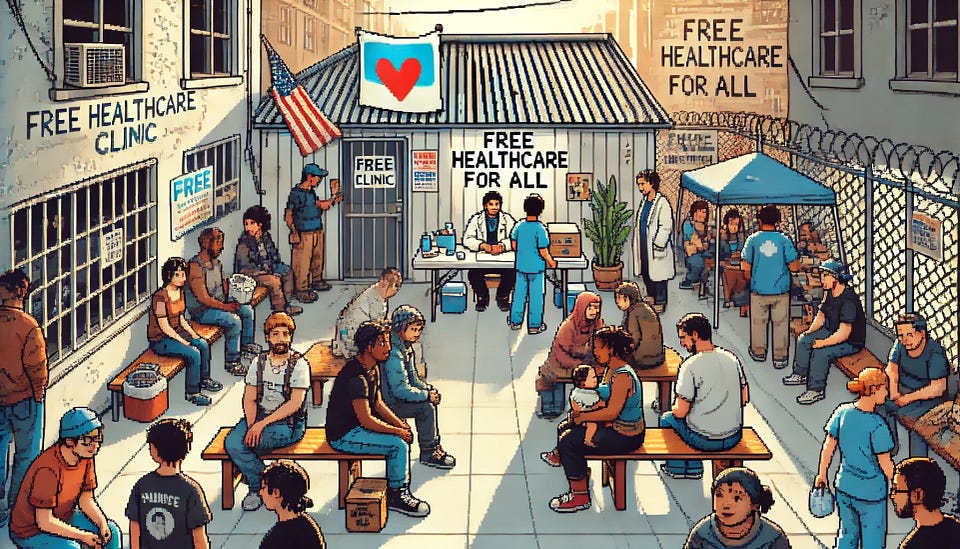
Reclaiming the right to provide care takes universal healthcare, an end to policies that criminalize or separate families, environmental justice, and real control for marginalized communities over their own health and well-being.