For decades, a whole industry grew up around decoding hidden meanings. Academics dissected reactionary dog whistles, journalists traced ironic memes back to extremist roots, and creators spent countless hours unpacking coded statements. Uncovering subtext had real political power. It could shift opinions or end careers.
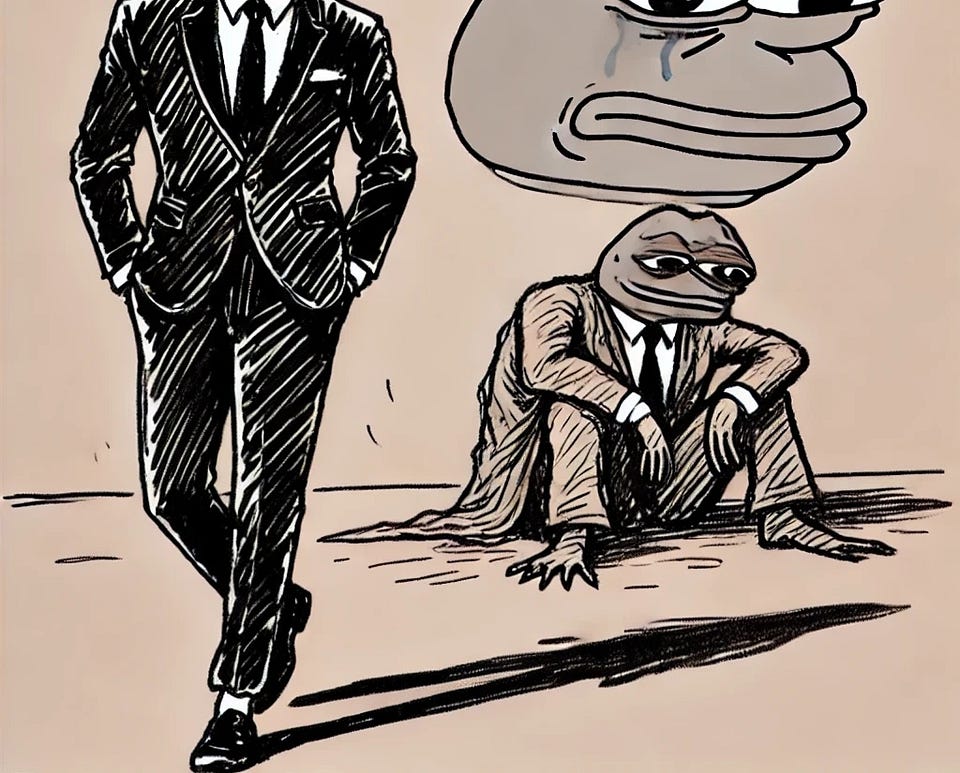
Most of that subtext economy no longer pays off. The decoding was right, and it worked too well. The messages it used to uncover are now stated openly and on purpose, without shame or subtlety.
Elon Musk openly allies himself with far-right ideologies, performing fascist gestures at public events and staging provocations like wielding chainsaws at CPAC. Donald Trump openly brags about sexual assault and incites violence without losing support or funding. Steve Bannon brazenly echoes fascist rhetoric, his provocations reinforcing rather than undermining his influence.
The quiet part has gone from quiet to deafening. Subtext analysis now seems quaint, like applying forensic techniques to a crime livestreamed openly.
Exposure has stopped producing accountability
Exposure once promised accountability by turning public outrage on covert wrongdoing. Watergate and the revelations about the Iraq War showed what it could do.
Recent history makes plain that exposure has diminishing returns:
- Despite impeachment trials and congressional hearings, political figures rarely face real consequences. Trump’s misconduct galvanizes rather than fractures his base.
- Tucker Carlson broadcast overt white-nationalist talking points, lost dozens of advertisers without losing the show, and was pulled by Fox in April 2023 for reasons the network never gave.
- Musk’s provocations haven’t dented his political influence, though Tesla’s share price and European sales fell sharply in early 2025.
Outrage is predictable and brief, and it often deepens polarization instead of changing anything.
Mainstream media capitalize on polarization, platforming extremist rhetoric under pretenses of fairness or free speech. Broadcasters host incendiary figures in prime-time slots, boosting ratings and profits. Social media companies intentionally amplify controversial content, prioritizing engagement over democratic health. Institutions historically tasked with justice (the Supreme Court, regulatory bodies, corporate boards) routinely put power and profit ahead of ethical responsibility and issue decisions plainly at odds with widespread public opinion. Charisma made the same migration: from leaders to platforms, from speech to interface, until the trust people once gave persons is awarded to products and feeds.
Satire, once good at exposing subtle hypocrisies, is struggling to stay relevant. Sharp commentaries by figures like Jon Stewart or John Oliver now blend quickly into the media noise, offering fleeting catharsis rather than enduring critique. Trevor Noah and Hasan Minhaj have seen their platforms shrink, and Stephen Colbert has noticeably softened his critique.
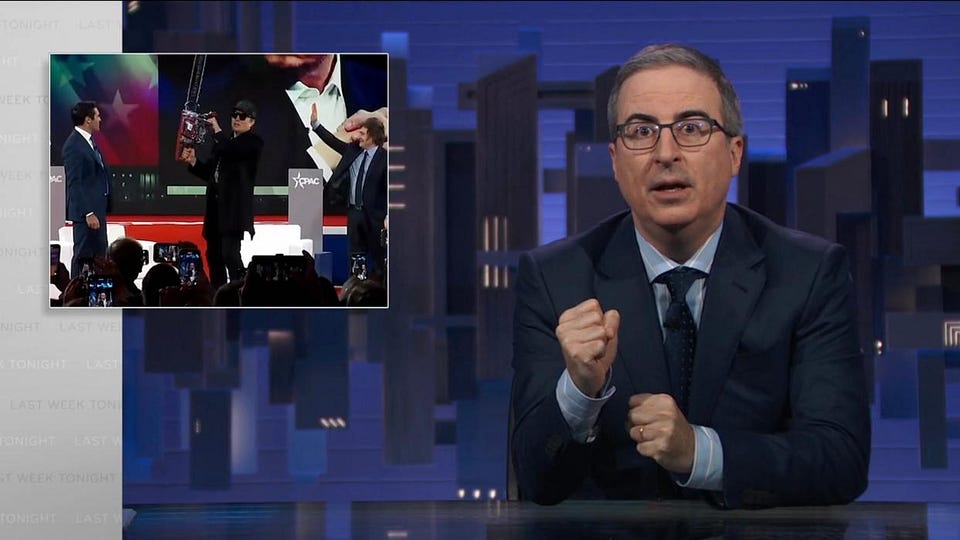
When extremism announces itself, comedy has nothing left to reveal. It turns therapeutic, repeating absurdities everyone can already see instead of provoking reflection or action.
Incremental reform after Cambridge Analytica, the Mueller Report, and the January 6th Insurrection has fallen short every time. Major corporations evade accountability through sustained lobbying and cosmetic compliance that leaves systemic abuses in place.
The comforting myth that institutions such as courts, corporations, and democratic processes will intervene once wrongdoing becomes undeniable is disproven again and again.
The craft that survives
An idea can be banned without being outlawed. When the direct route is blocked by formal censorship or the chill of algorithmic disfavor, ideas learn to travel in disguise.
Not all disguises are equal. The checkpoint dodge is a code word or a string of numbers. It ducks the fence while the guard still knows what’s being carried. The higher craft changes the cargo’s shape entirely: the abolitionist argument that wears a sermon, the climate critique tucked inside a supply-chain webinar, the fairy tale that’s really political satire.
The most durable smuggling makes removal costly. To erase a message encoded in a genre, they’d have to ban the whole genre—all hymns, all food vlogs, all gardening forums. Platforms have tried, and been forced to roll back quickly.
With the subtext economy gone, outrage has to give way to responses with more force behind them.
If everyone knows the emperor is naked, the question is what we’ll actually do about it.