How systems survive by making suffering feel necessary.
Browse the archive
Reading path for redesign recommendations
A sequence focused on institutional redesign, reversibility, and burden removal. <a href="/paths/reversibility">Related synthesis path</a>. 32 matching essays.
Starting points
-
-
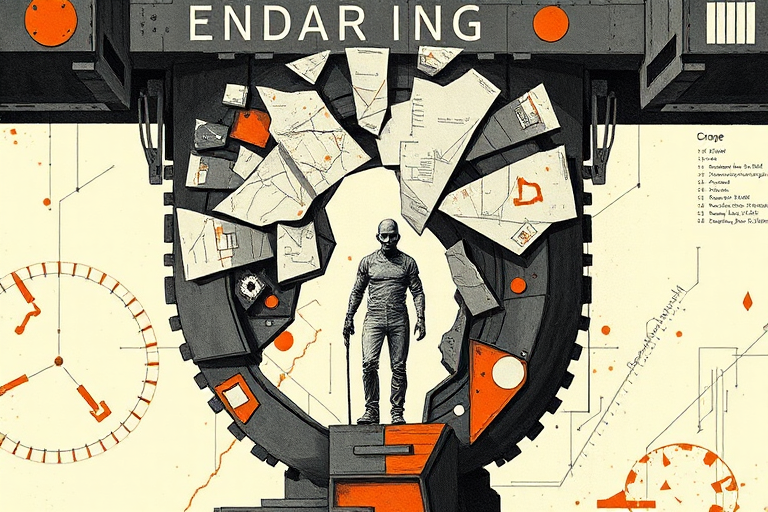
We must reclaim the maintenance that keeps people alive rather than the one that keeps systems standing.
-
Sterile reason makes systems fragile. Here's how intelligence can learn to breathe again.
-
Why embracing human limits can make our relationships, ethics, and systems more resilient
-

From algorithmic empathy to moral branding: the hidden politics of charisma in AI.
-

Goodness isn’t a moral trait; it’s a design property. When systems reward correction instead of denial, virtue becomes infrastructure.
-
When a society, an institution, or even a piece of software continually produces heroes, it offers clear evidence of a broken architecture.
-

A good system shouldn’t need saints. It should metabolize harm before someone has to transcend it.
-

Stop searching for an ethical AI CEO. The job is impossible. The problem isn't a lack of individual virtue, but a system that makes virtue a liability.
-
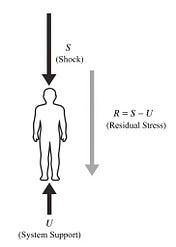
The political question isn’t if shocks arrive, but where the load lands. This essay reframes “policy” as applied physics—and legitimacy as a system’s load-bear…
-
How hostile systems draft us into our own denial
-
On Revision Privilege, a system that quietly distributes grace to the powerful while demanding finality from everyone else
-

Resisting rule by expertise is not anti-science or anti-technology; it is a defense of democracy
-
It’s quick, flattering, incomplete, and it puts the problem in human nature, not in the systems shaping people’s lives. But is it true?
-
-
Critique fails not because it's wrong, but because the system was never built to parse it.
-

It’s structural, intentional, and systemic.
-

-
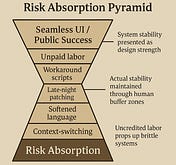
I don’t want you to just avoid burnout, I want you to see labor as a site of struggle, defaults as political choices, and for us to reforge our systemic bluepr…
-

When systemic harm is repeated, profitable, and structured, complexity is not an explanation. It’s an alibi.
-
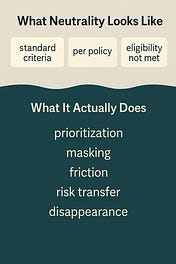
Why neutrality isn’t fairness—and what it hides when institutions say it is.
-
-

Or, Why We Can’t Debias Our Way Out of a System Built to Exclude
-

Reactionaries Will Use Disability Statistics to Justify Technofascist Control
-

-

Resisting biotechnical fixes and fantasies of adaptation in plastic-washing efforts
-

On Ecosystems of Care and Regeneration that Grow in the Cracks
-

-

Rethinking Control in AI Systems
-
The most pressing dangers of AI are not confined to some future cataclysm; they are here now, embedded in the systems that shape our lives
-
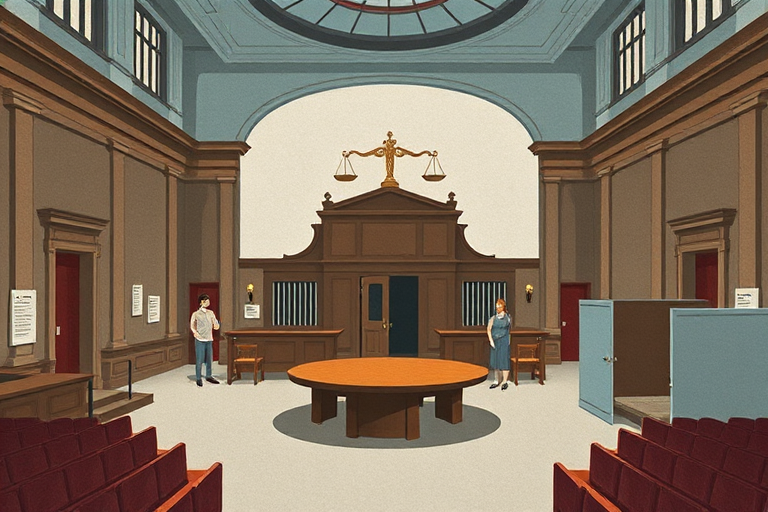
legal systems should assume everyone involved could potentially be autistic and be unaware of if
-

nobody wants our money-mangled clinical decision support systems


Routes and patterns
Reading paths
Concept maps
Where the same pressure keeps reappearing
More entry points
Question-led archive pages
Focused pages that stay close to specific recurring pressures.
Continue reading
Related context
Version history
No prior versions in this archive snapshot.
Expand a version to view revision details.
Get essays like this by email.
Get new essays by email
An occasional note when a new essay goes live.
No spam, no shared list, unsubscribe any time.
Get new essays by email
An occasional note when a new essay goes live.
No spam, no shared list, unsubscribe any time.